🏮 Omote Ukitate
面浮立
Kashima, Saga (Yutoku Inari Shrine) · Every year on the 2nd Sunday of September
363 days to go
Rooms around Kashima, Saga fill up while the festival is on.
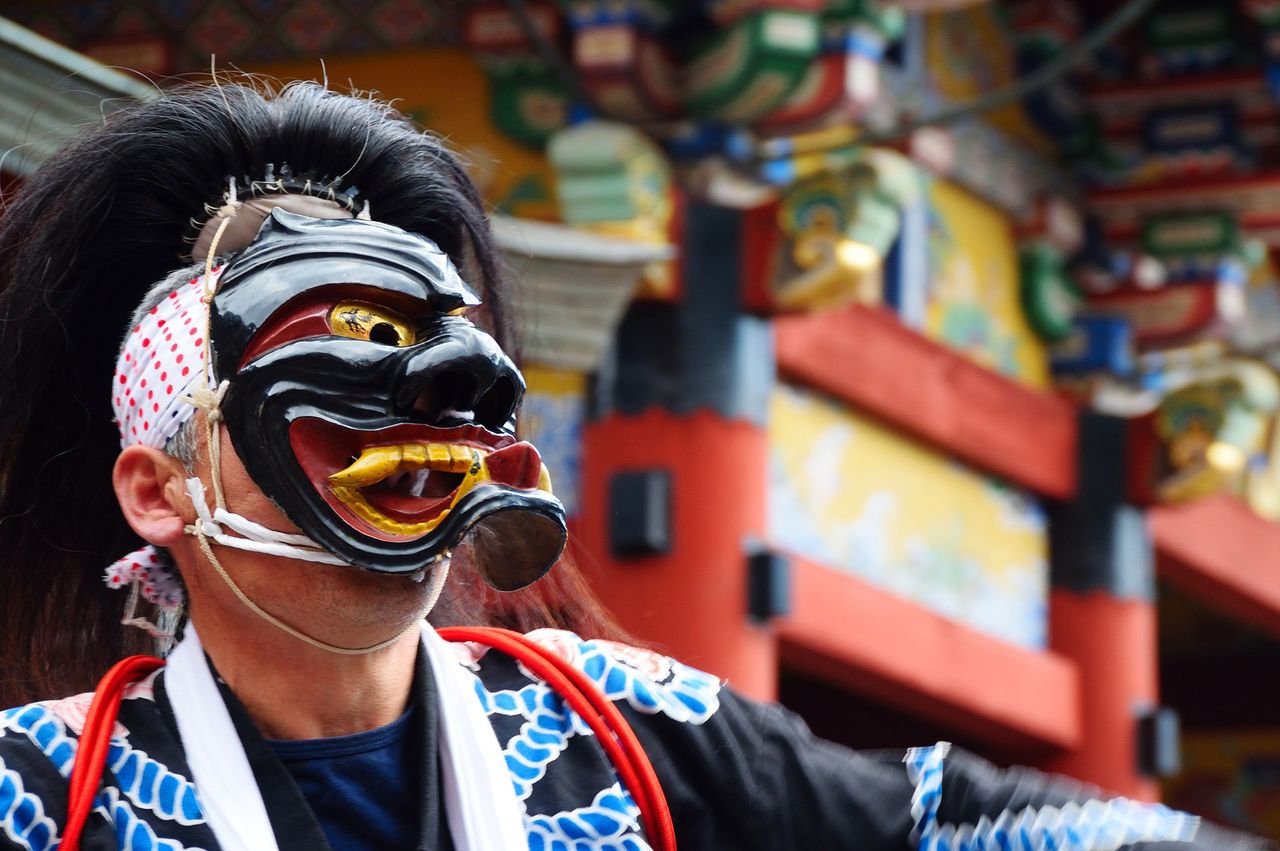
Menburyu is a folk performing art passed down in Kashima City, Saga Prefecture, and is a Saga Prefecture-designated Important Cultural Property. Dancers wear demon masks and dance to the sound of drums and gongs. It is dedicated at shrine festivals and various events in the city, and is deeply rooted in the community. Long animal hair called shaguma is attached to the demon masks, and when the dancer shakes their head vigorously, the hair sweeps through the air. Performers dance while striking a small drum hung on their belly, presenting a valiant figure. As the number of successors declines due to the aging population and low birthrate, preservation societies in each district carry on the tradition, and the dance is passed down by a wide range of people, from children to adults. The main highlights are the dedications at Toku Inari Shrine's Hatsuma Festival, the Nanaura Autumn Festival, and Kyusei Shrine's Autumn Festival. In particular, at the Nanaura Autumn Festival, different styles of menburyu, such as the Otonari Menburyu and the Hogaura Menburyu, are performed at multiple shrines. Also, at the Kashima Traditional Performing Arts Festival, it can be viewed along with traditional performing arts from inside and outside the city.
Getting there
Toku Inari Shrine is about 10 minutes by bus from Hizen-Kashima Station. Hizen-Hama-juku is about 6 minutes on foot from Hizen-Hama Station. Koto Shrine is close to Hizen-Kashima Station by bus or car.
Don't miss Omote Ukitate
Save a festival in the app and it reminds you a week before it starts. Over 1,000 more to browse by map and calendar.

Where to stay
Searches for rooms on Every year on the 2nd Sunday of September.
Festival supplies
Browse on AmazonGetting there
Local specialities
Browse on meibutsu.jp →Festivals nearby
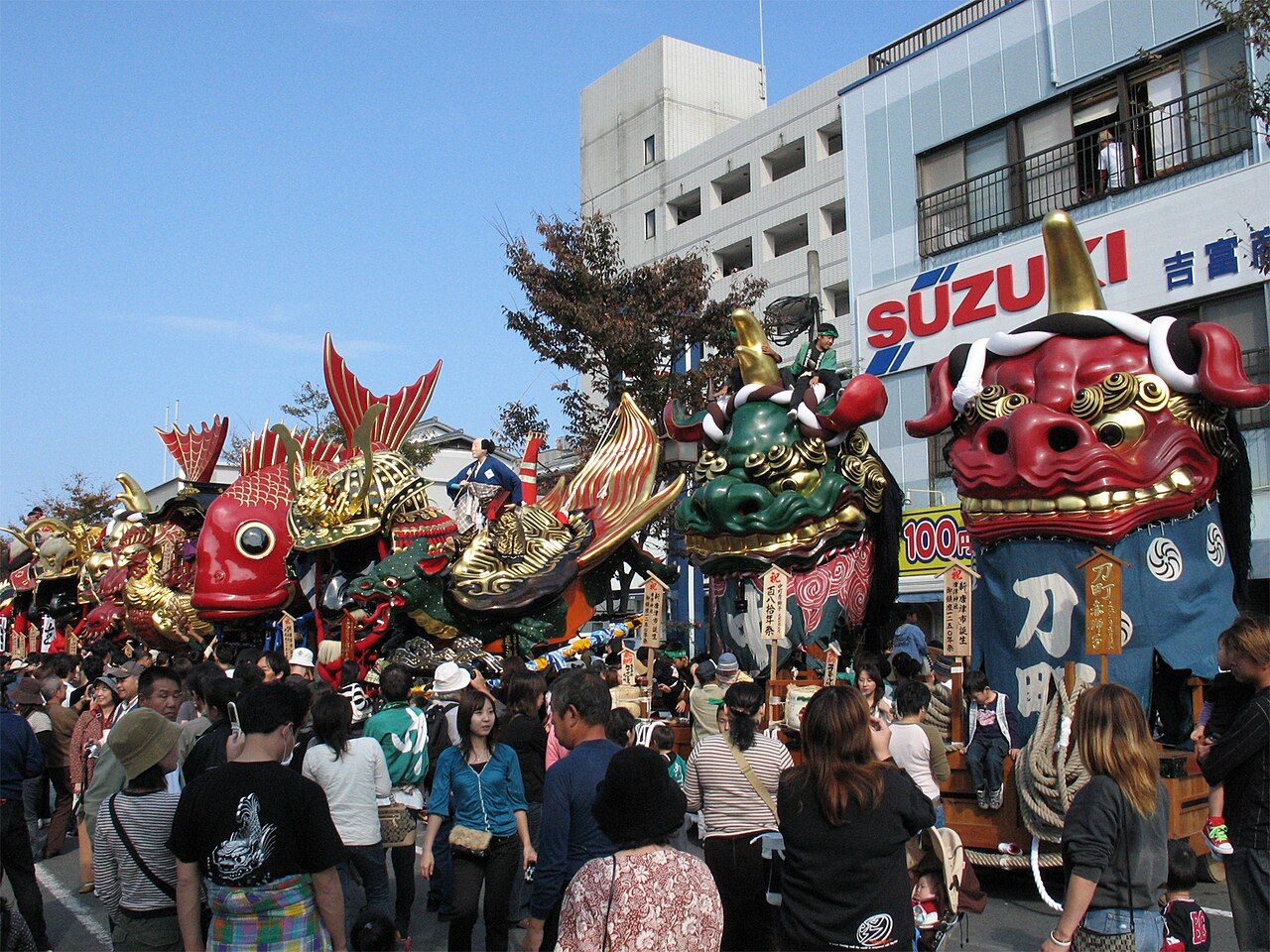
Karatsu Kunchi
Karatsu, Saga · Every year on 2, 3 and 4 November
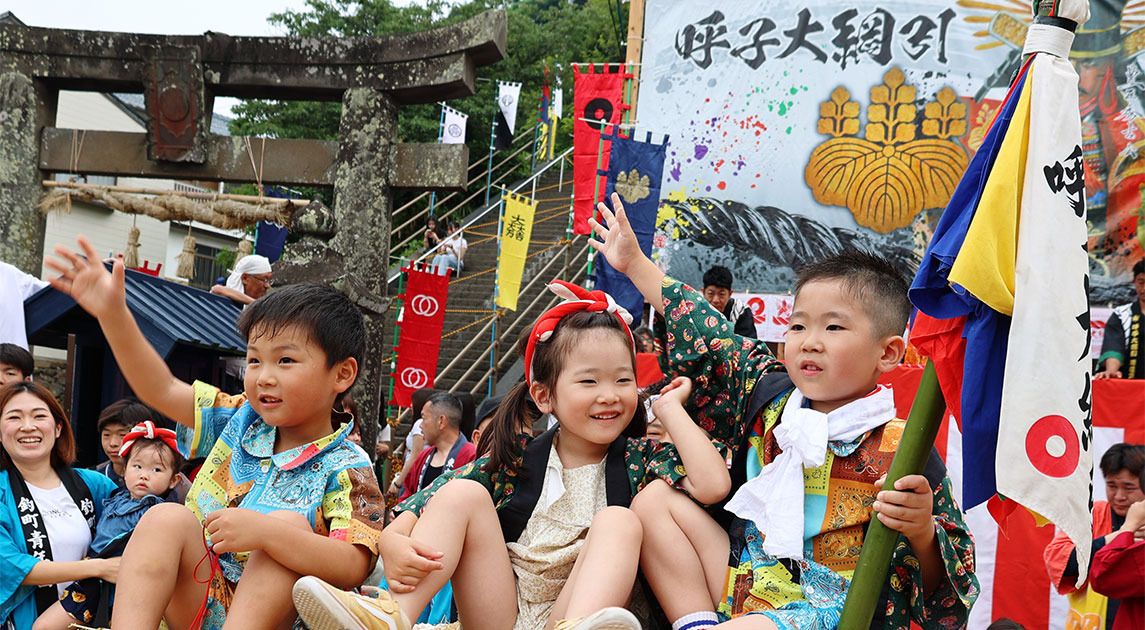
Yobuko no Otsunahiki
Karatsu, Saga · Every year on 30 June
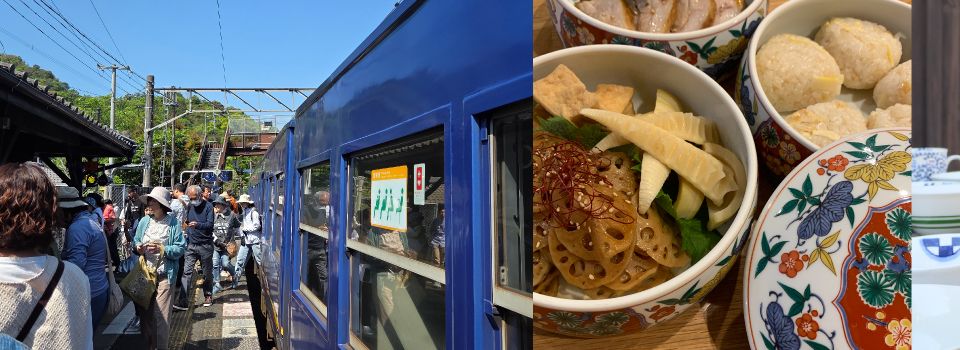
Arita Toki Ichi
Arita, Saga · Every year on 29 April
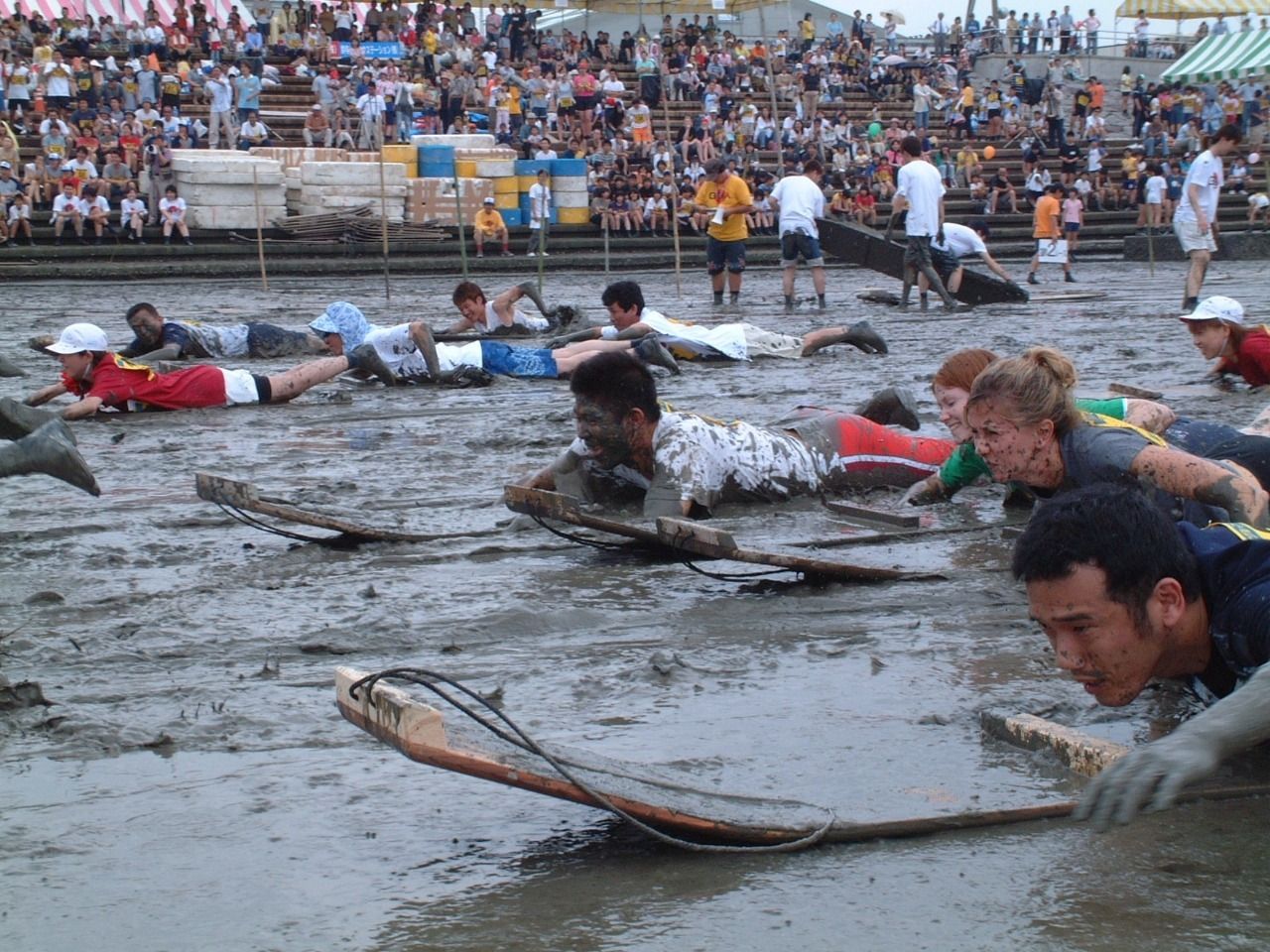
Gorokashima Gatarinpikku
Kashima, Saga · Every year in late May
Imari Tontenton
Imari, Saga · Every year in mid October
Yamabiki Gion
Ogi, Saga · Every year in late July