🏮 Nou Mai
能舞
Higashidori, Aomori (Kumano Shrine) · Every year on 1 January
109 days to go
Rooms around Higashidori, Aomori fill up while the festival is on.
Noumai, passed down in 14 settlements of Higashidori Village, Aomori Prefecture, is a typical form of Shugendo nou that strongly preserves the appearance of medieval performing arts. It was transmitted from Mena Fudo-in at the end of the 15th century and has been inherited within the village, centered on that temple. In 1989 it was designated a national Important Intangible Folk Cultural Property. The repertoire is divided into categories such as Gongen Mai, ceremonial dances, and warrior dances, and Noumai performances begin with formal dances consisting of Torimai, Kagomai, Okina, and Sanbaso. The representative piece Kanemaki depicts the supernatural powers of a Shugendo practitioner and is based on the legend of Dojo-ji in Kishu. Events held throughout the year are also a distinctive feature. On New Year's Day, Kadouchi, in which performers go around to each household, and Yagatame for newly built houses are held, praying for the expulsion of evil and a bountiful harvest. In September, Gongen Mai is dedicated at shrine festivals in each settlement, and traditions deeply tied to local faith continue to thrive today.
Getting there
From Higashidori Village Office (nearest) to each area. As public transportation is limited, access is basically by car.
Don't miss Nou Mai
Save a festival in the app and it reminds you a week before it starts. Over 1,000 more to browse by map and calendar.

Where to stay
Searches for rooms on Every year on 1 January.
Festival supplies
Browse on AmazonGetting there
Local specialities
Browse on meibutsu.jp →Festivals nearby
Hachinohe Sansha Taisai
Hachinohe, Aomori · Every year, 31 July to 4 August
Aomori Nebuta Matsuri
Aomori · Every year, 2–7 August
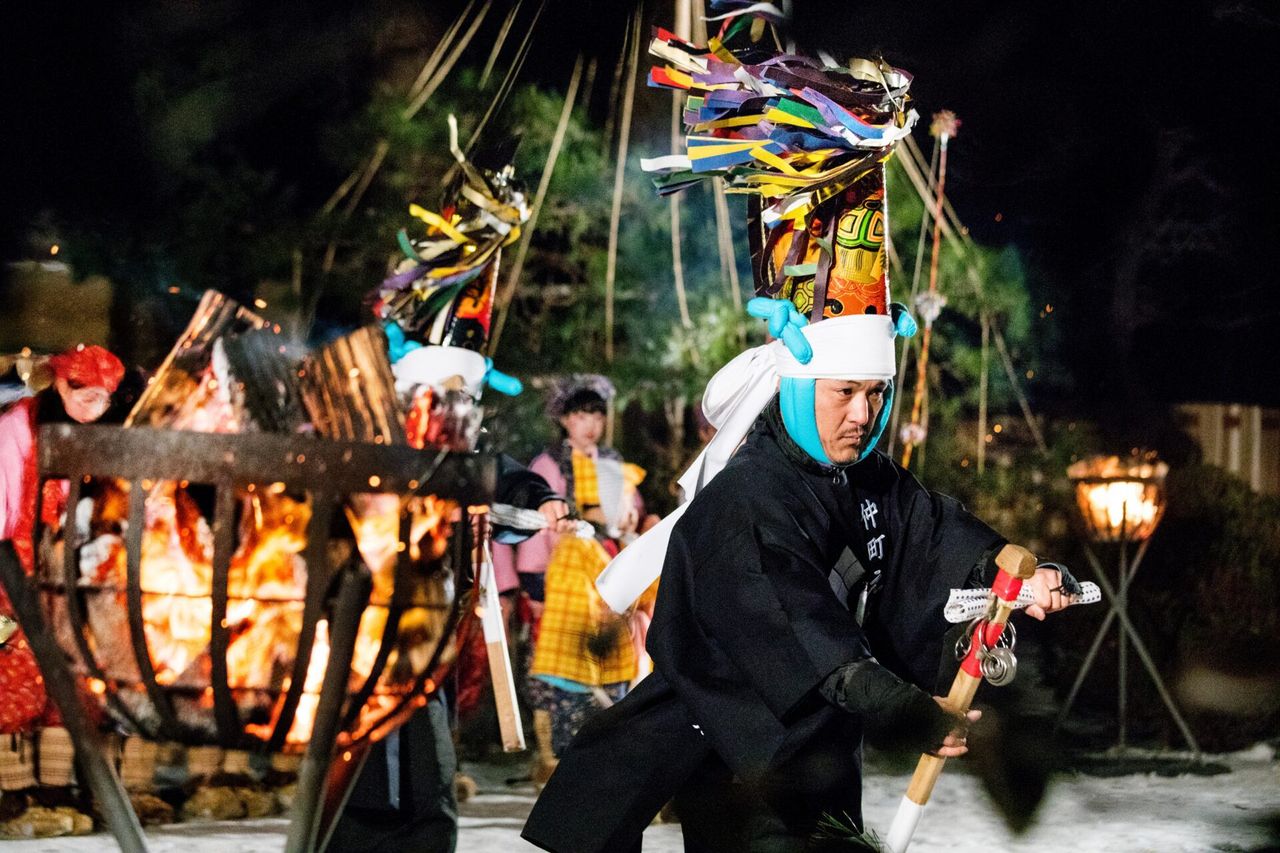
Enburi
Hachinohe, Aomori · Every year on 17 February
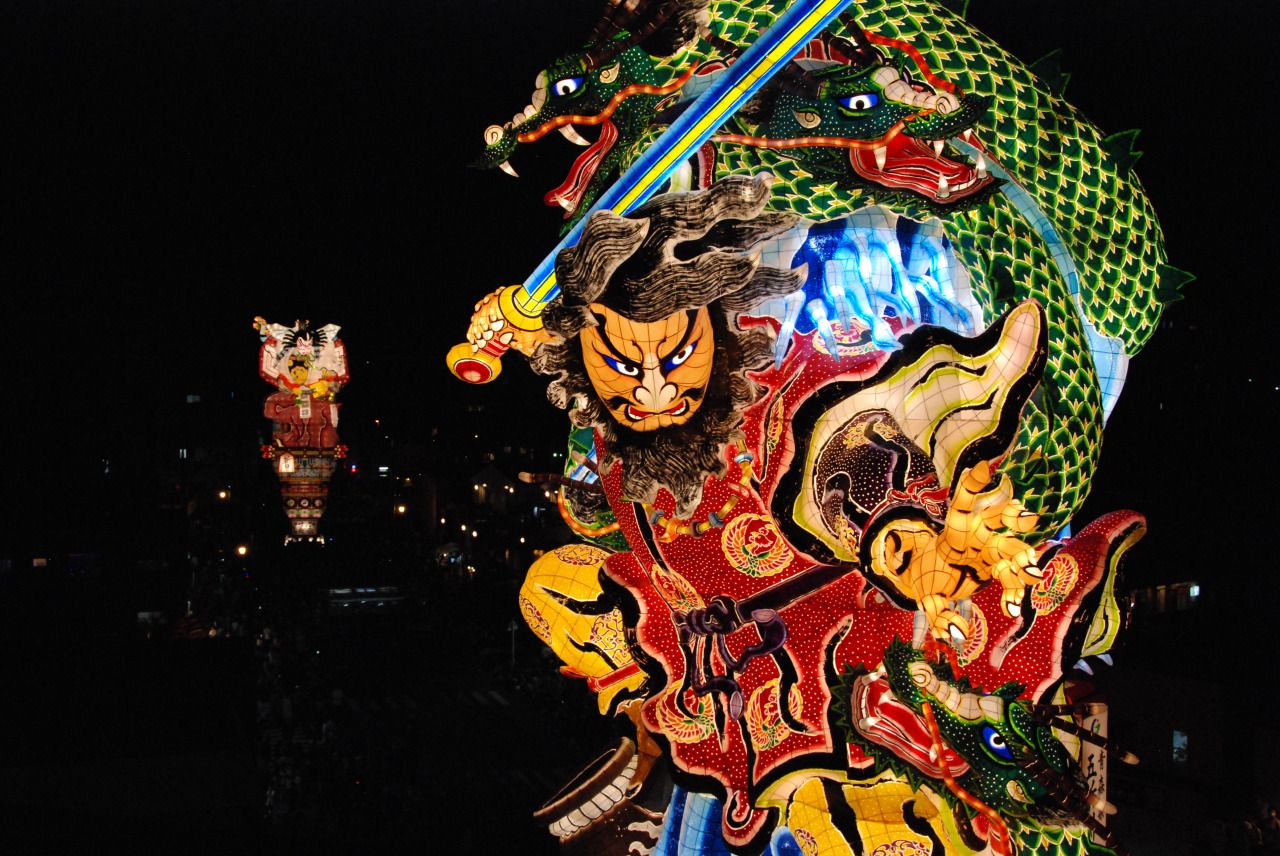
Goshogawara Tachi Neputa
Goshogawara, Aomori · Every year on 4 August
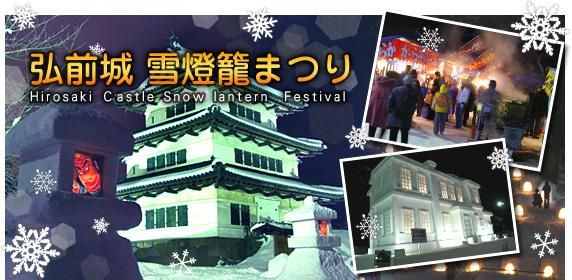
Hirosaki Jo Yukidoro Matsuri
Hirosaki, Aomori · Every year on 25 February
Hirosaki Sakura Matsuri
Hirosaki, Aomori · Every year on 25 April