
🏮 Oe no Kowaka Mai
大江の幸若舞
Miyama, Fukuoka (Oe Tenman Shrine) · Every year on 20 January
128 days to go
Rooms around Miyama, Fukuoka fill up while the festival is on.
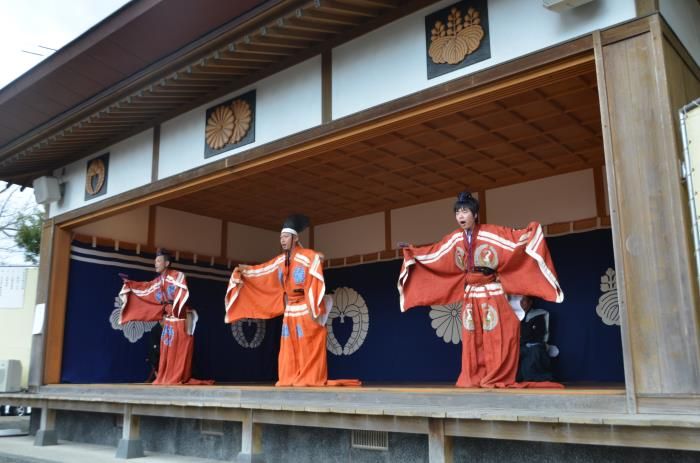
At Oe Tenmangu Shrine in Oe, Setaka Town, Miyama City, Fukuoka Prefecture, the nationally designated Important Intangible Folk Cultural Property "Oe no Kowakamai" is performed every year on January 20. It is a dance centered on narration that was popular in the medieval period, and it is now the only place in Japan where it is still passed down. The origins of this dance are traced to the Heian period, and it was favored mainly by the warrior class. On May 4, 1976, it was designated a national Important Intangible Folk Cultural Property, and since then the traditional performance has continued to be handed down on the stage of Oe Tenmangu Shrine. The performance is structured with a tayu (master performer) wearing a tall eboshi (headwear), a suo (formal robe), and a kodachi (short sword) standing at the front, accompanied on the left and right by a shite and waki wearing folded eboshi, each holding a fan. The basic stance is the "kamae," in which the performer grips the sleeves of the suo, extends both arms horizontally, and leans slightly forward; the three performers chant together in time with the kotsuzumi (small hand drum) calls and drum. The shite and waki assist the tayu's intoned recitation, and at times the tayu straightens his back, grips the front of his hakama, and moves forward, back, left, and right across the stage while stamping his feet.
Getting there
From Setaka Station on the JR Kagoshima Main Line, take a bus and get off at "Oe"; it is a short walk from there.
Don't miss Oe no Kowaka Mai
Save a festival in the app and it reminds you a week before it starts. Over 1,000 more to browse by map and calendar.

Where to stay
Searches for rooms on Every year on 20 January.
Festival supplies
Browse on AmazonGetting there
Local specialities
Browse on meibutsu.jp →Festivals nearby
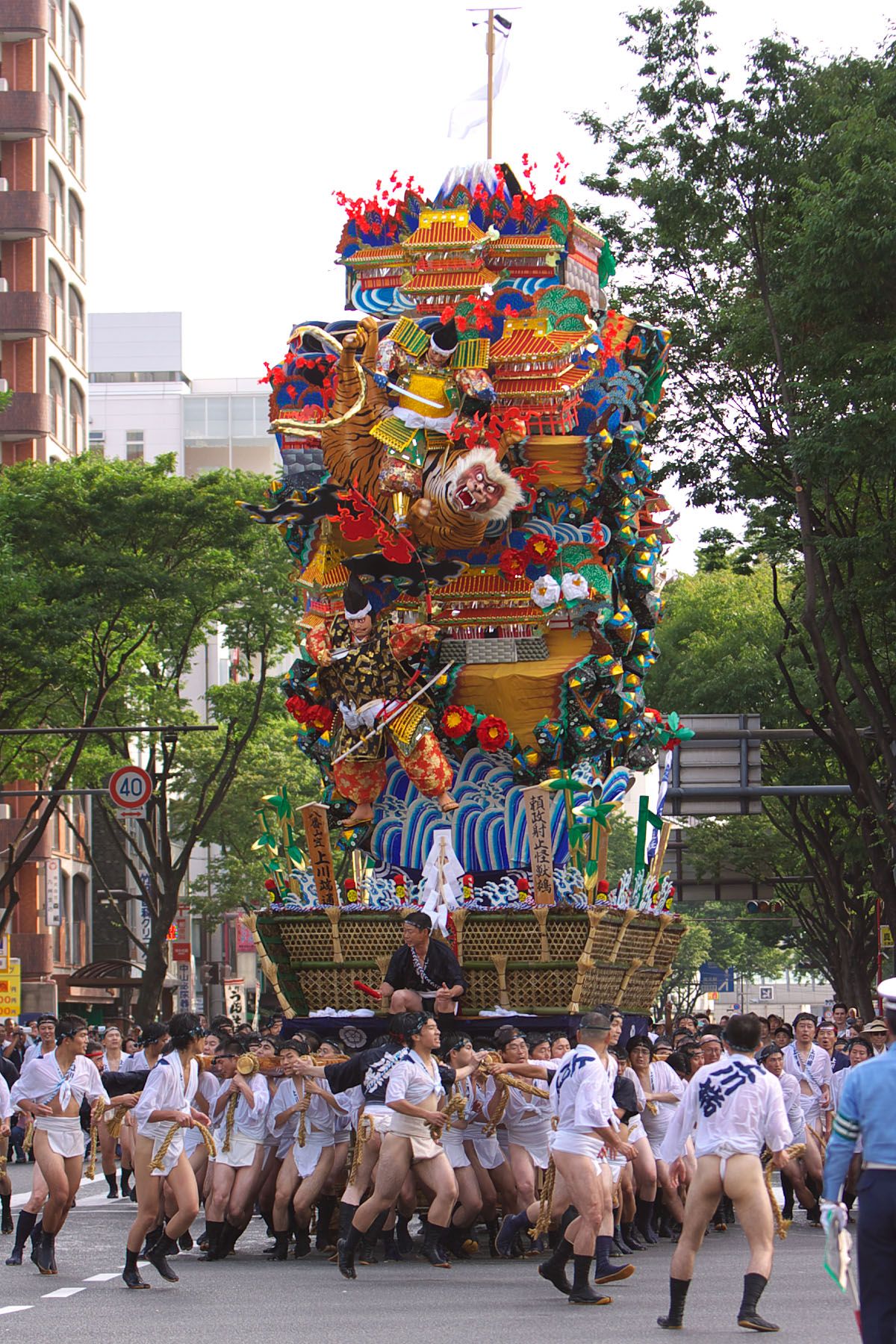
Hakata Gion Yamakasa
Fukuoka · Every year, 1–15 July
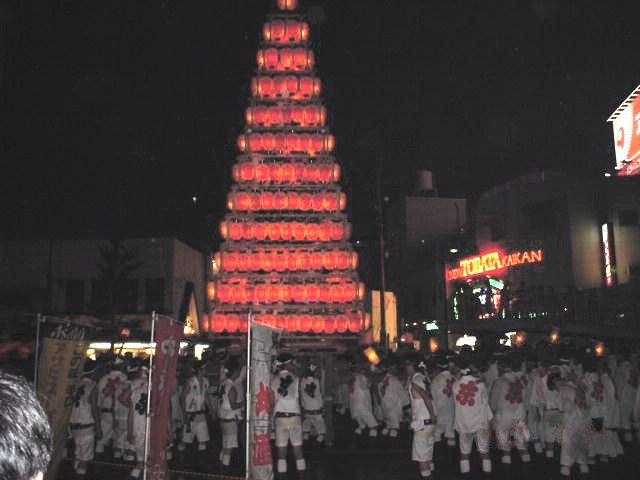
Tobata Gion Oyama-gasa
Kitakyushu, Fukuoka · Every year on the Friday, Saturday and Sunday of the 4th week of July
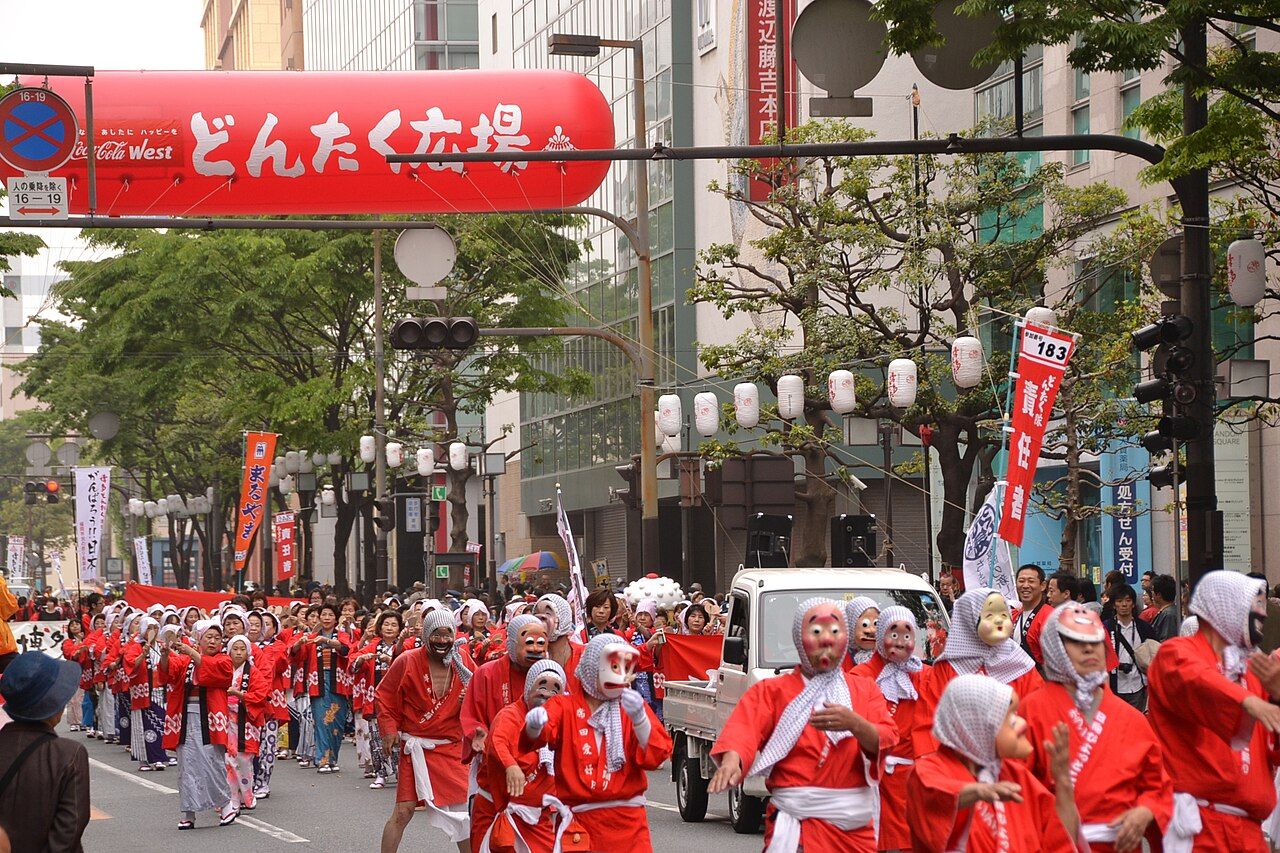
Hakata Dontaku
Fukuoka · Every year on 3 and 4 May
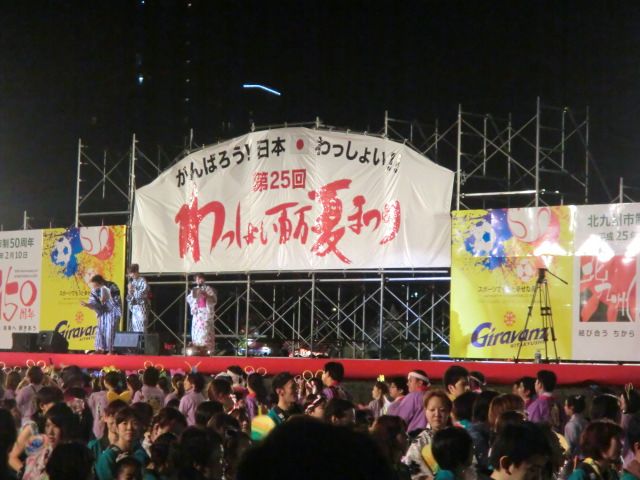
Wasshoi Hyakuman Natsumatsuri
Kokurakita, Fukuoka · The 3rd Saturday and Sunday of September
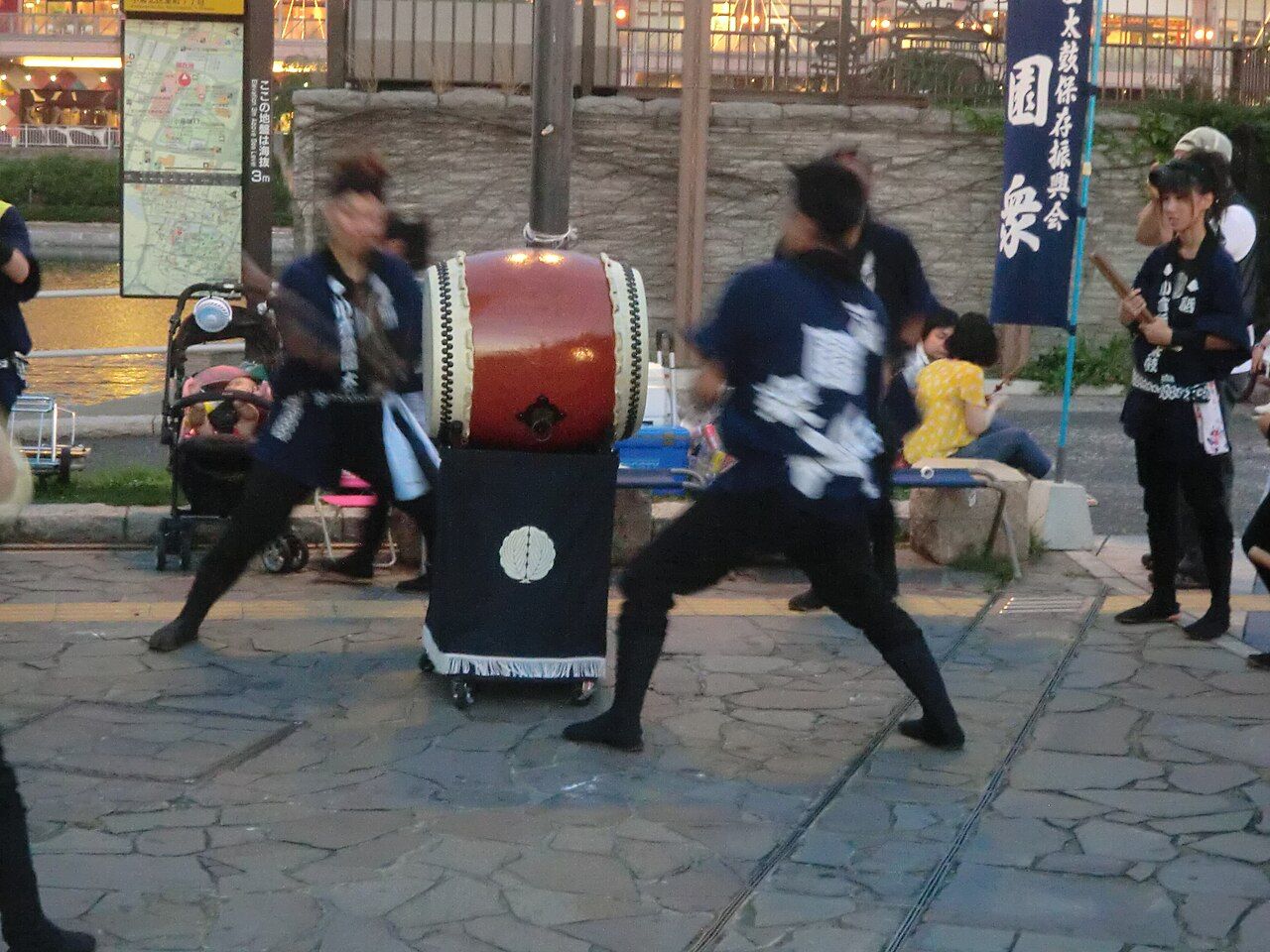
Kokura Gion Daiko
Kitakyushu, Fukuoka · Every year, 3 days including the 3rd Saturday of July
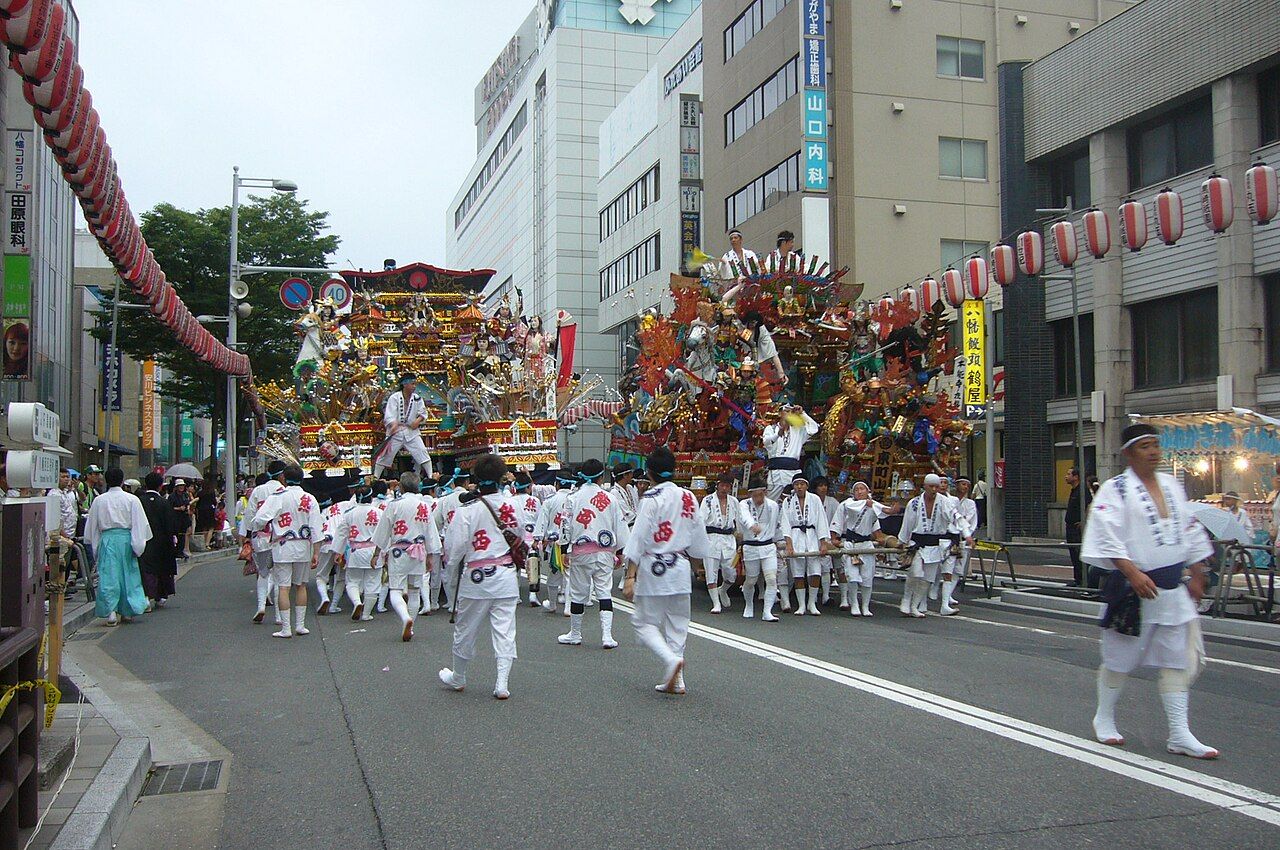
Kurosaki Gion Yamagasa
Kitakyushu, Fukuoka · Every year on 20 July