🏮 Kuga no Namuden Odori
久賀のなむでん踊
Suooshima, Yamaguchi (Kuya Temple (Start), Hatta Hachimangu Shrine (Next), 17 Other Dance Sites, Oibara Coast (Finish)) · Every year on 2 July
291 days to go
Rooms around Suooshima, Yamaguchi fill up while the festival is on.
The Kuga no Namuden Odori, passed down in the Kuga district of Suo-Oshima Town, Yamaguchi Prefecture, is a mushi-okuri (insect-driving-out) event held each year on the day after hange (around July 2–3), which follows the end of rice planting. It is one of the furyu-odori dances known as rakuchi, performed without lyrics, and its purpose is to drive away harmful insects and evil spirits through the intense sound of bells and drums. In 1976 it was designated an intangible folk cultural property of Yamaguchi Prefecture. During the Edo period, under the protection of the Oshima daikan's office, it was encouraged alongside Yashiro as an event to increase production. The present Namuden Odori is said to have been started by the seventh abbot of Jinya-ji, Omono Yuko Daikasho, and it preserves the form it took in the Kasei era, when the old mushi-okuri was taken up as an official event of the domain. On the day itself, early in the morning a rite to instill a spirit into the Sanemori doll and the first dance are held at Kuya-ji; after purification and a spirit-instilling rite at Hatta Hachiman-gu, the dancers move from one to the next of 17 dance sites in the town, luring rice insects as they dance. In addition to the first, second, and third courtyard dances, there are also bojutsu and shikashika (spoken addresses), and at the end a large segaki memorial service for the floating invitation of spirits is held at Oihara Beach. The Sanemori doll is placed on a mugiwara no mando-bune (straw-lit lantern boat) and set adrift on the sea, bringing the traditional festival, made up of about 40 people, to a close.
Don't miss Kuga no Namuden Odori
Save a festival in the app and it reminds you a week before it starts. Over 1,000 more to browse by map and calendar.

Where to stay
Searches for rooms on Every year on 2 July.
Festival supplies
Browse on AmazonGetting there
Local specialities
Browse on meibutsu.jp →Festivals nearby
Shinkawa Ichi Matsuri
Ube, Yamaguchi · Every year, 3–5 May
Hagi Natsu Matsuri
Hagi, Yamaguchi · 1–3 August
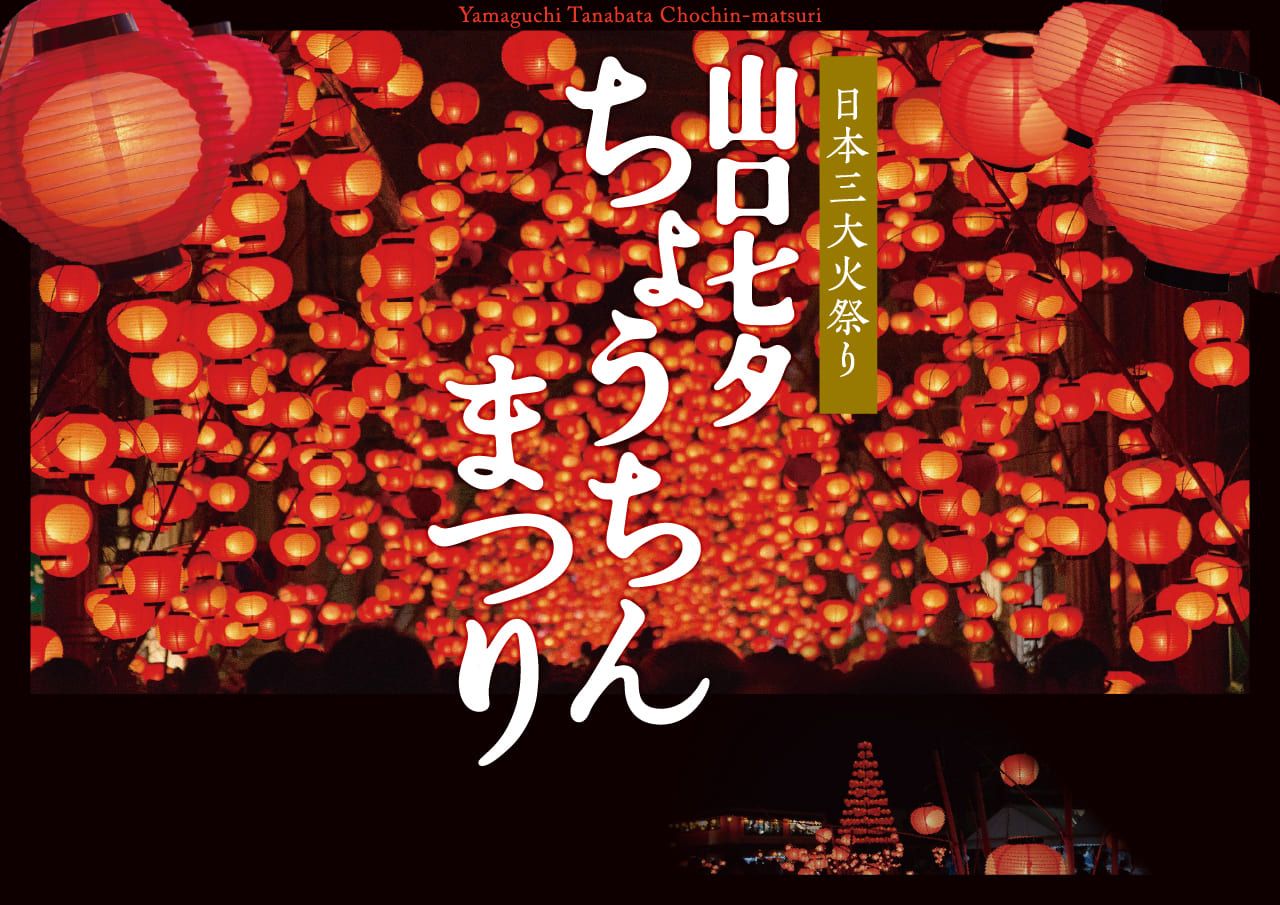
Yamaguchi Tanabata Chochin Matsuri
Yamaguchi · Every year on 6 and 7 August
Beppu Iwato Kagura Mai
Shuho, Yamaguchi · Every year on 9 November
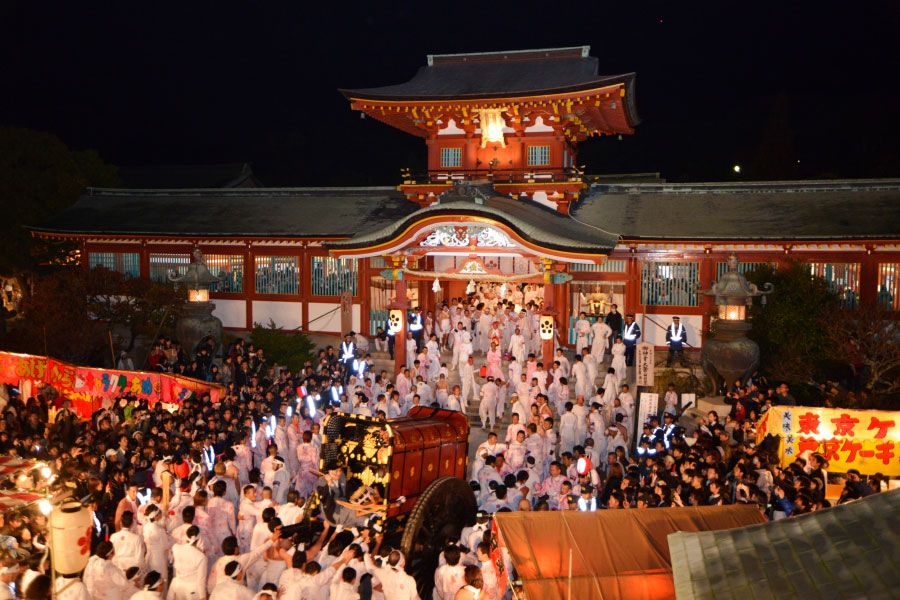
Hofu Tenmangu Goshinko Sai
Hofu, Yamaguchi · Every year on the 4th Saturday of November
Shimonoseki Kaikyo Matsuri Sentei Sai
Shimonoseki, Yamaguchi · Every year on 2 May